There's a difference between working alone and feeling alone at work — and most businesses are only managing one of them.
Fire Events · Well-Being Culture
Every business understands what a lone worker is. But there's a second kind of "alone" that almost never makes it onto a policy document — and it might be doing far more damage.
It's written into your health and safety policy: the field engineer, the delivery driver, the remote employee working from a spare room three days a week. You risk-assess it, you have procedures for it, you check in on it.
Two very different kinds of alone
A lone worker is a description of where someone sits, physically or logistically. They might be perfectly connected — well managed, well supported, genuinely thriving in their own space.
A lonely worker is something else entirely. It's an emotional state, not a job description. And the uncomfortable truth is that you can be a lonely worker while sitting in a packed open-plan office, on a team of fifteen, with back-to-back meetings all day. Loneliness at work isn't about how many people are around you — it's about how disconnected you feel from them.
That distinction matters, because most businesses are only managing one of these risks.
The business cost of a workforce that feels alone
Workplace loneliness rarely announces itself. It doesn't show up as a complaint or a resignation letter that names it directly. It shows up as quiet disengagement, higher turnover, slower collaboration, and burnout that looks like something else entirely.
None of this shows up neatly on a dashboard. It shows up gradually, in the numbers you only notice once they've already slipped.
Why hybrid working has made this harder to spot
Flexible and hybrid working brought real benefits — but it also removed a lot of the small, unplanned moments that used to hold teams together: the corridor conversation, the shared lunch, the five minutes before a meeting starts. Strip those out and even a well-run team can quietly drift into a collection of individuals who happen to work for the same company.
The result is a workforce that looks connected on paper — same org chart, same Teams channel, same all-hands call — while actually growing further apart.
"Managing lone workers well is good practice. Managing lonely workers well is what actually protects your culture, your retention, and your team's performance."
— Stuart James Rose, Fire Events
Signs it's worth paying attention to
You don't need a survey to start noticing this. Watch for meetings where the same two or three people do all the talking, team members who rarely mention colleagues by name when discussing their work, a sense that people are collaborating at each other rather than with each other, and long-standing staff who've stopped bringing up ideas they once would have.
Any one of these on its own isn't a red flag. Several of them together, over time, usually are.
Reconnection has to be built, not assumed
The fix isn't a wellbeing poster in the break room or a one-off "fun day." Genuine reconnection needs the same thing loneliness took away — real, unhurried time together, away from the pressure of the next deadline.
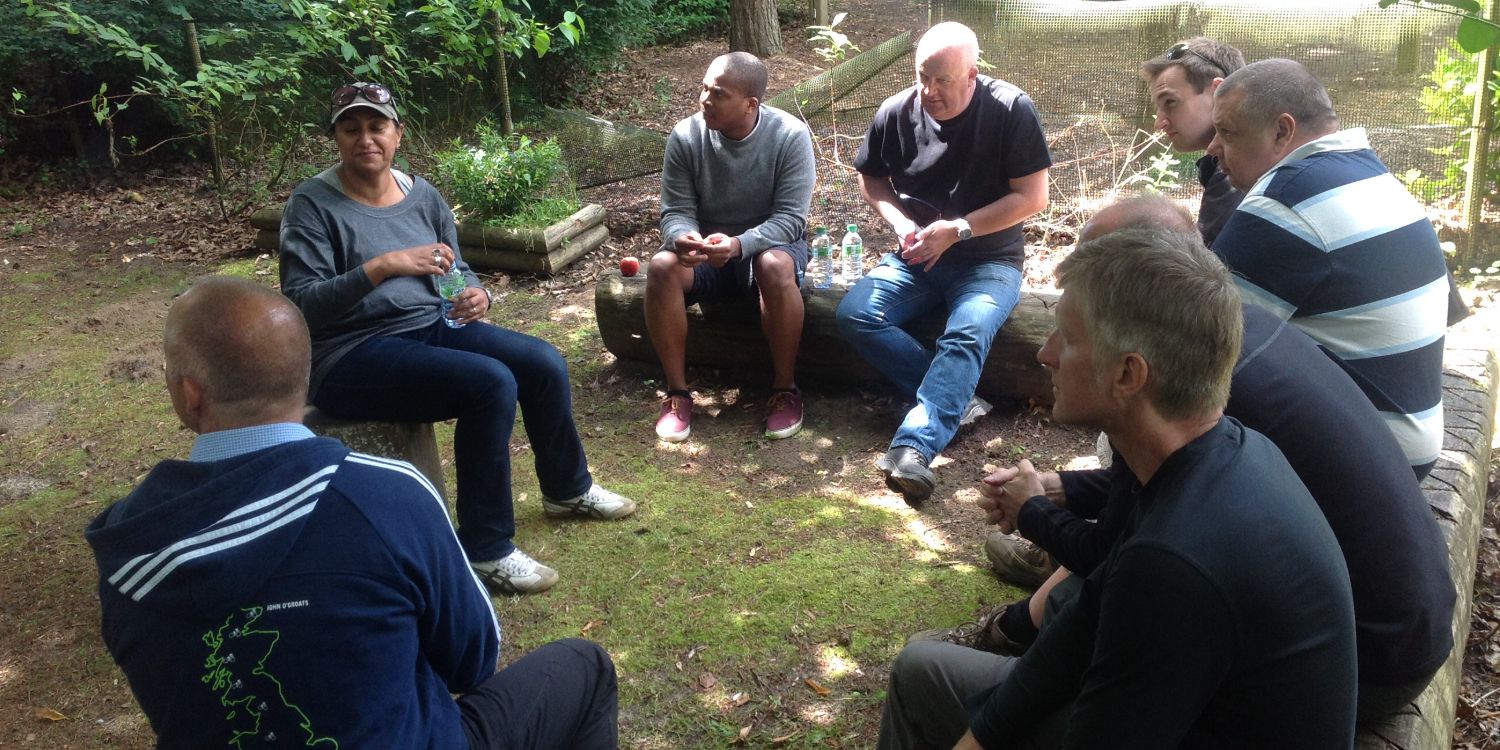
Our Well-Being Culture programmes — including our Guided Well-Being Walks and Facilitated Walk and Talk Workshops — are built specifically to rebuild the everyday connection that hybrid working can quietly erode. A Team Away Day gives your team a proper reset outside the usual routine, and our Hiking Conferences combine the outdoors with real conversation — there's something about walking side by side, rather than sitting across a desk, that gets people talking more honestly.
Know the difference, manage both
Managing lone workers well is good practice. Managing lonely workers well is what actually protects your culture, your retention, and your team's performance — and it's far too easy to overlook simply because it doesn't come with a policy document attached.
If it's been a while since your team properly reconnected, that's usually the clearest sign it's overdue.
Ready to bring your team back together?
We'll help you find the right format to rebuild real connection, wherever your team is currently working from.
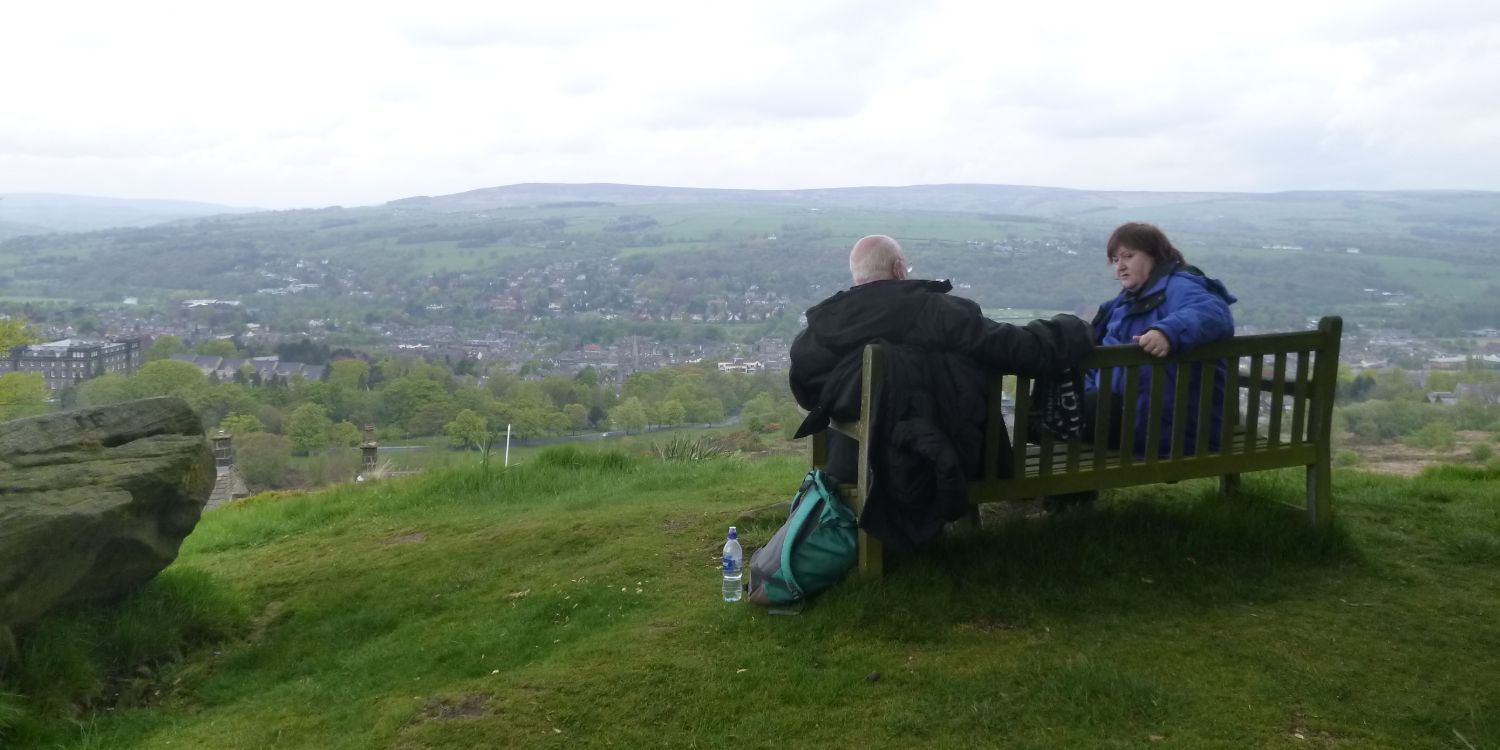
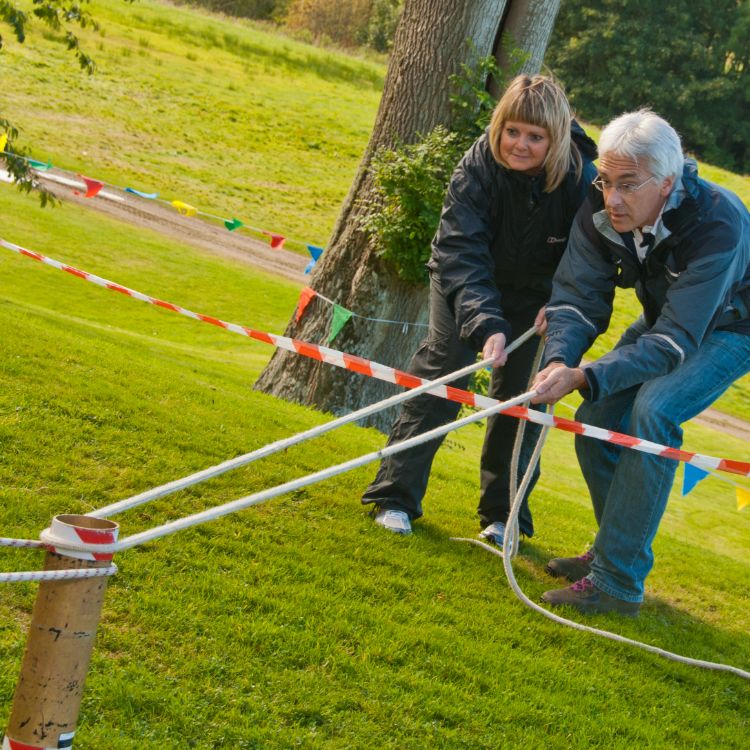
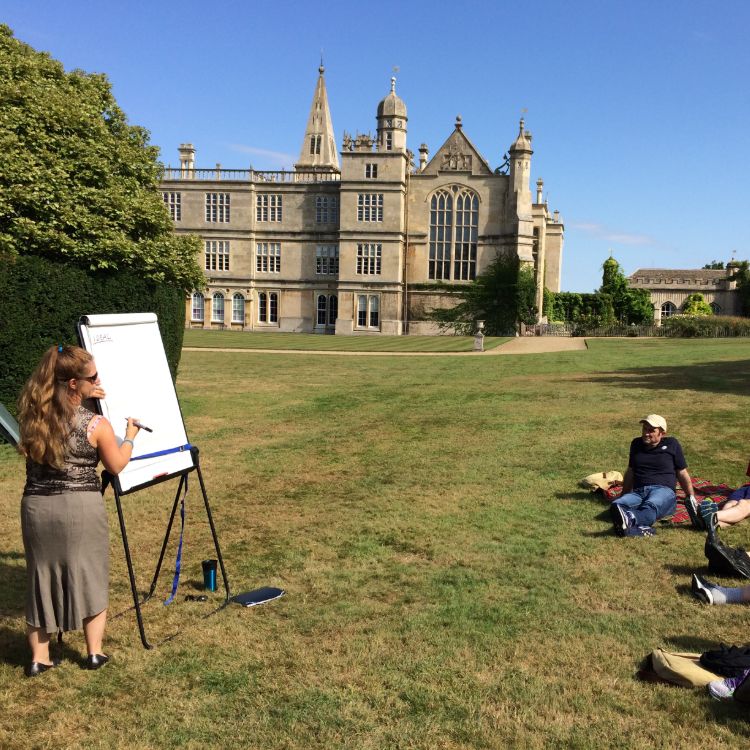
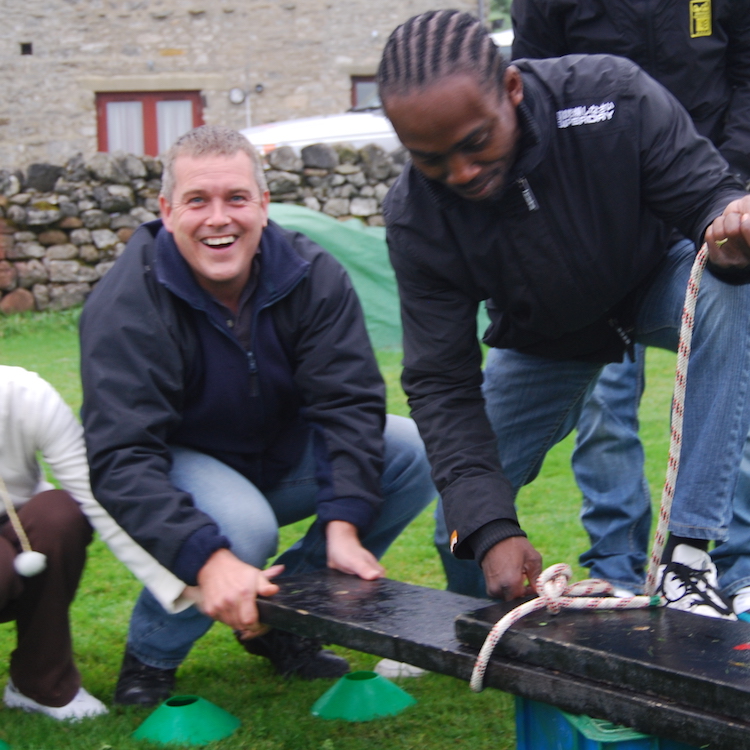
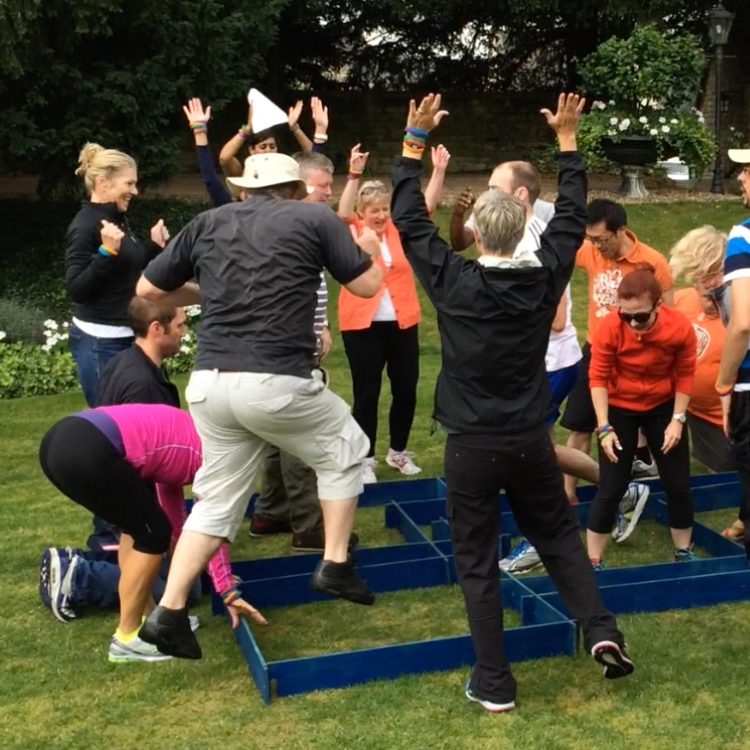


> From the comforts of the hotel meeting room to the wide open spaces of the countryside.
> What does your team need after three very uncertain years?
#wellbeing #mentalhealth #backtowhatmatters